


If you own an older home in the Dallas-Fort Worth area, there is a high chance that your home is built on a pier and beam foundation. These elevated home foundations were the standard, and while they offer some advantages, they come with their own set of maintenance challenges. After three decades in the foundation repair business and thousands of repairs under our belt, we’ve seen just about every pier and beam issue you can think of.
In this blog, we’ll discuss what it actually takes to repair these foundations and the tools, the equipment needed to complete the job.
What Makes Pier and Beam Foundations Different?
Before we get into the tools, it helps to understand what a pier and beam foundation is. A pier and beam foundation lifts your home 18 to 24 inches off the ground using concrete piers sunk into the soil. Wooden beams run horizontally between these piers, supporting the floor joists and your home’s structure above.
That crawl space underneath is one of the biggest advantages of this foundation type. When something goes wrong, we can get under there and fix it without tearing up your floors. You can’t do that with a modern slab foundation where everything’s buried in concrete.
There are some drawbacks to look out for. That crawl space creates opportunities for moisture problems, wood rot, and pest issues if you’re not careful. The good news is that with the right approach and equipment, pier and beam foundations can be repaired effectively and often last longer than slab foundations in our challenging North Texas clay soils.
The Tools for Pier and Beam Foundation Repair
Hydraulic Jacks
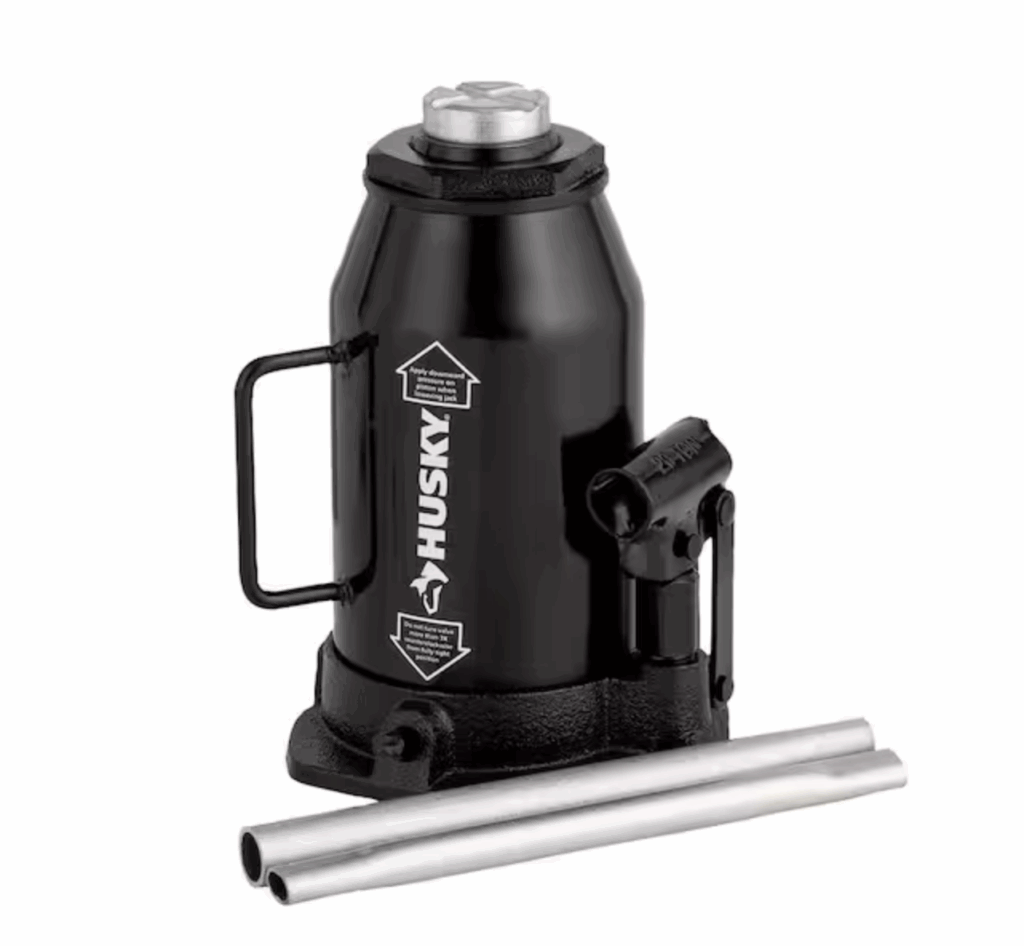
When sections of your pier and beam foundation settle, hydraulic jacks do the heavy lifting. These aren’t the small bottle jacks that are used to change a tire. We’re talking about commercial-grade equipment that can generate thousands of pounds of controlled lifting force.
The beauty of hydraulic jacks for this type of foundation is the precision they offer. We can raise a settled beam fraction by fraction, monitoring the lift to avoid over-correction. Most foundation problems develop gradually over years, and the repair needs that same careful, measured approach.
Modern hydraulic systems come with pressure gauges that let us track exactly how much force we’re applying. This matters because you don’t want to just crank everything up and hope for the best. Different areas of the foundation may have settled to different degrees, and the soil conditions can vary even within a single property.
Adjustable Steel Floor Jacks
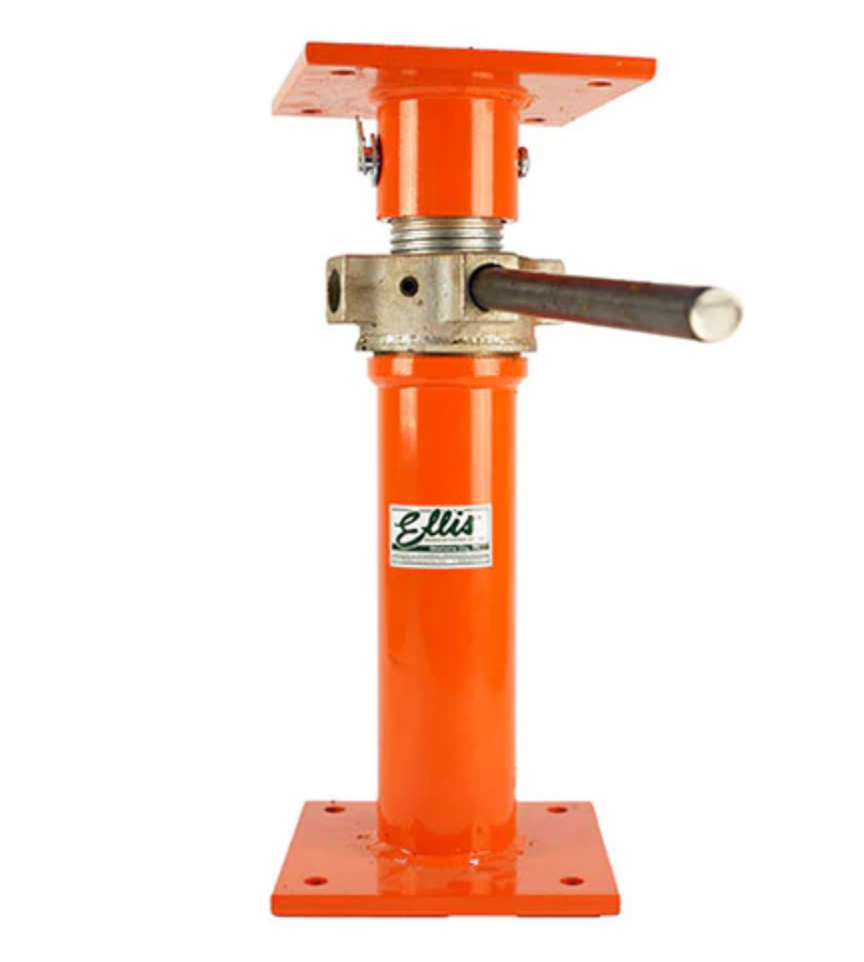
Once we’ve lifted the foundation back into position, it needs permanent support. That’s where adjustable steel floor jacks come in. These galvanized steel supports are positioned in the crawl space beneath sagging or settled beams, providing the long-term structural support your foundation needs.
The older method involved stacking wooden blocks or shims. But wood deteriorates, especially in the humid crawl space environment we deal with here in North Texas. Steel jacks won’t rot, won’t attract termites, and can be fine-tuned even after installation if minor adjustments are needed down the road.
We install these at strategic points based on the floor elevation survey and structural analysis. Every home is different, so the number and placement of jacks depends on your specific situation.
Laser Levels and Measuring Equipment
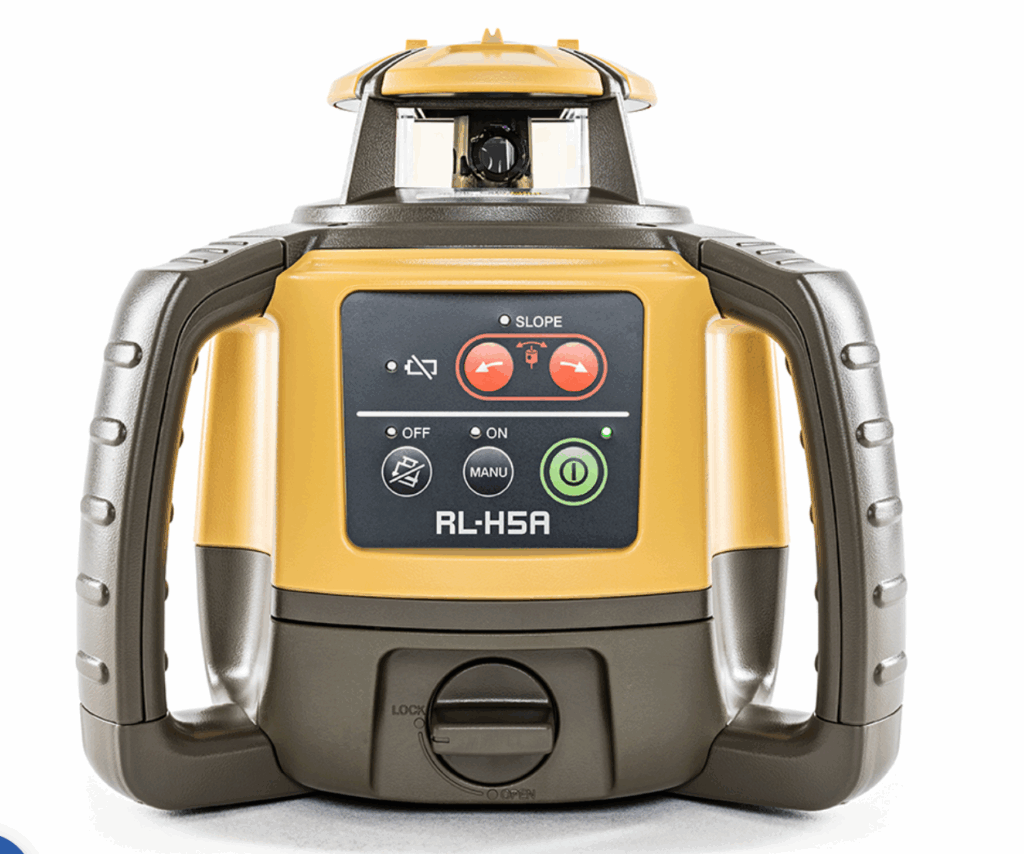
You can’t fix what you can’t measure accurately. Before we start any pier and beam repair, we map out the entire foundation using laser levels and digital measuring tools.
A rotary laser level shoots a perfectly horizontal beam around the crawl space, showing us which areas have dropped and by how much. We take readings at multiple points, creating a map of your foundation’s current condition.
This scientific approach is what separates professional foundation repair from guesswork. We’ve conducted soil surveys throughout the Dallas-Fort Worth metroplex, and we know how the clay soils in Collin, Dallas, Tarrant, and Denton Counties behave. Combining that knowledge with precise elevation data means we can design a repair plan specific to your home, not just apply a generic solution.
Excavation Equipment
Sometimes we need to get down to the original piers or install new ones to address serious settlement issues. That requires excavation around the perimeter of your home.
Mini excavators are perfect for this work. They’re compact enough to navigate tight spaces between your home and fence line, but powerful enough to move the heavy clay soil we deal with here. For larger projects, we might bring in a backhoe, but the mini excavator handles most residential pier and beam repairs without tearing up your entire yard.
Proper excavation also lets us inspect the existing piers. Sometimes the original piers are fine and just need the beams readjusted. Other times, we discover that piers were inadequate from the start or have deteriorated over the decades.
Beam Repair and Replacement Equipment
The wooden beams in pier and beam foundations don’t last forever, especially if moisture has been an issue in the crawl space. When beams have rotted or cracked, they need replacement.
This requires saws capable of cutting through large dimensional lumber, often 4×6 or larger treated beams. We source treated lumber that’s rated for ground contact, giving it the best chance against the moisture and humidity in crawl spaces.
Sometimes we’ll use steel beams in situations where wood has repeatedly failed or where extra strength is needed. Steel beam installation requires welding equipment and specialized cutting tools, but the result is a permanent solution that won’t deteriorate.
Moisture Detection and Control Equipment
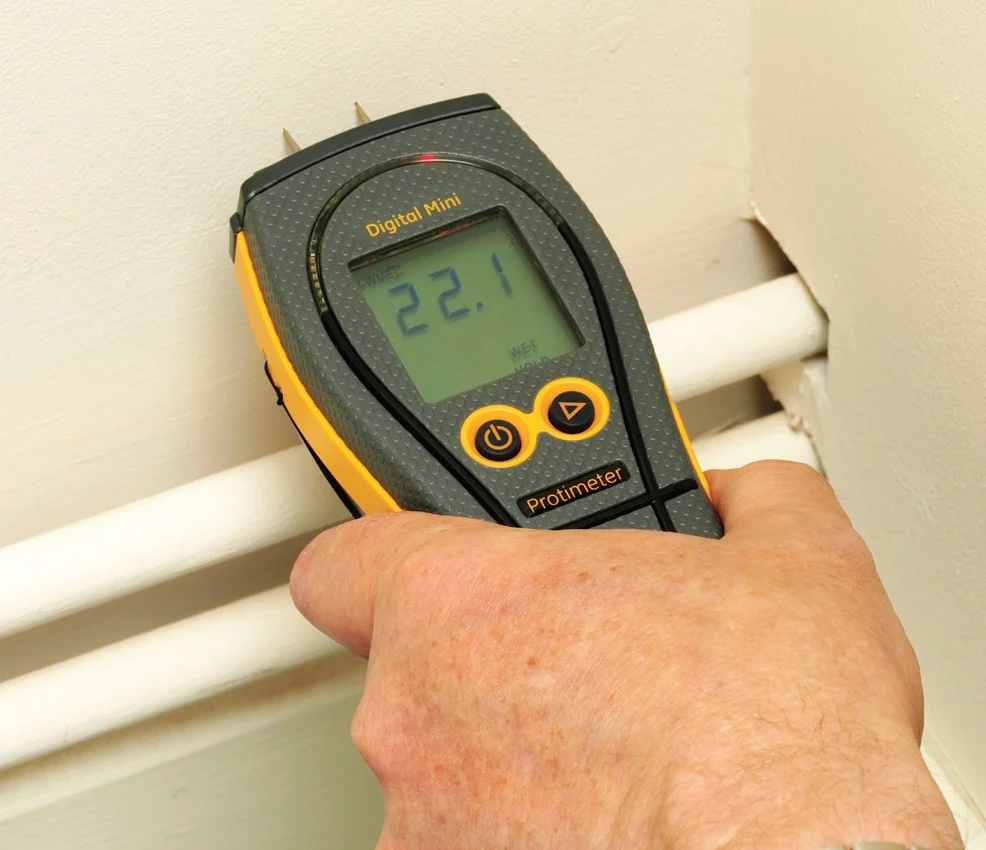
Moisture is often the real enemy of pier and beam foundations. That’s why moisture meters are part of our standard toolkit.
These devices measure the moisture content in wooden beams and joists. What looks fine on the surface might actually be saturated inside, weakening the wood’s structural capacity. Catching this early prevents bigger problems.
For moisture control, we install vapor barriers. They are heavy plastic sheeting that covers the crawl space floor, preventing ground moisture from evaporating into the crawl space. Installation requires careful measurement, cutting, and sealing to create an effective barrier.
We also assess crawl space ventilation. The right balance of airflow keeps humidity under control without creating drafts that waste energy. Sometimes this means installing foundation vents, other times it means closing existing vents and conditioning the crawl space as part of the home’s envelope.
Drainage Installation Tools
A lot of pier and beam foundation problems in the Dallas-Fort Worth area trace back to water, depending on the season. Our expansive clay soils shrink dramatically during our hot, dry summers, then swell when the rains finally come. This constant expansion and contraction puts stress on foundation piers and can cause uneven settlement.
That’s why drainage work is often part of a comprehensive foundation repair. We use trenching equipment to install perimeter drains that channel water away from the foundation. French drains are particularly effective for managing groundwater around pier and beam homes.
Proper grading around the foundation matters too. Sometimes the solution is as straightforward as ensuring the soil slopes away from the house so water doesn’t pool near the foundation.
Gutter Installation and Repair Tools
Speaking of water management, gutters play a critical role in protecting pier and beam foundations. When roof runoff isn’t properly channeled away, it saturates the soil right next to your foundation.
Professional gutter installation requires tools for cutting and fitting sections, brackets and fasteners rated for the weight of water-filled gutters, downspout extensions to carry water well away from the foundation, and leveling equipment to ensure proper slope for drainage.
We see a lot of homes with gutters that are either missing, clogged, or improperly pitched. Fixing these issues is preventative maintenance that protects the foundation repair work and helps prevent future problems.
Schedule Your Free Foundation Evaluation
If you’re concerned about your pier and beam foundation, don’t wait until small problems become major headaches. We typically provide evaluations within 24 to 48 hours of your call, and every evaluation includes that free independent structural engineer report.
Call Maestro’s Foundation Repair today or visit maestrosfoundationrepair.com to schedule your no-obligation assessment. With over 30 years of experience and thousands of successful repairs throughout the Dallas-Fort Worth area, we have the tools, expertise, and commitment to quality that your home deserves.
Let’s talk about your foundation and create a repair plan that solves the problem right the first time.